Color Harmony: Matching Abstract Art with Your Existing Furniture

Balance the visual weight of the furniture. A dark, heavy sofa can carry a bright, high-key canvas above it, while a pale, light-framed room may want a deeper, more grounded piece. Reading that weight relationship keeps the wall from feeling top-heavy or thin.
This piece is our full answer to a question collectors ask often: Color Harmony: Matching Abstract Art with Your Existing Furniture. Below we walk through it step by step, with the kind of straight answers we give buyers in the gallery every week. If your search brought you here from luxury home decor abstract paintings, you are in the right place. The same thinking guides buyers considering spiritual meditation wall art canvas.
In brief
- Let one strong original painting be the focal point rather than many small frames.
- Hang the centre of the piece around 145 to 150 cm from the floor.
- Choose scale first: aim for a canvas that fills about two thirds of the wall.
Daylight and how it changes the work
Match the artwork to how the room is used, not just how it looks. A space for reading and slow evenings suits a meditative, low-contrast piece; a room built for gathering can carry something bolder. Letting function guide the choice keeps home decor art from feeling purely ornamental.
A painting can correct a room's proportions. A wide horizontal canvas visually stretches a narrow wall, while a tall piece lifts a low one. Used deliberately, abstract art becomes a design tool for balancing awkward architecture rather than merely covering it.
The quiet case for large canvas art
Lighting decides how a painting behaves. The same canvas can look crisp and architectural under a cool wash and soft and atmospheric under a warm one. Before committing a piece to a spot, watch how the light crosses it through the day; a raking side light will reveal every ridge of a textured surface.
The best interiors leave room for the art to change with you. A neutral, well-built abstract painting outlasts trends and moves happily from one home to the next, which is part of why original work is worth more than a disposable print. Buy the piece you will still want in a decade.
Why one abstract painting can carry a room
Home offices are where abstract art quietly earns its keep. A considered canvas in the field of view lifts a plain working wall, breaks the monotony of a screen, and gives the mind somewhere to wander between tasks. Office art decor does not need to shout to do its job.
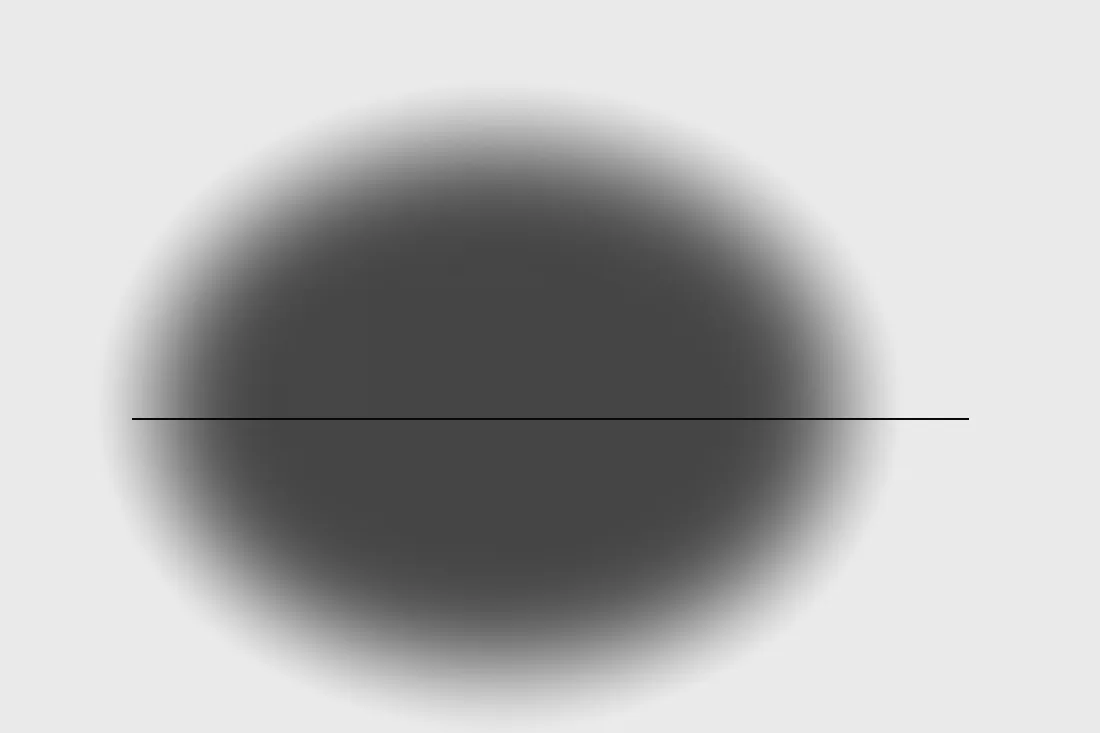
Choose the abstract painting that changes how the room feels, not the one that merely matches a cushion. In a calm, monochrome interior a single high-contrast canvas becomes the focal point, sets the mood, and gives the eye somewhere to rest the moment you walk in.
Choosing colourless over busy
Gallery walls work when they are planned rather than accumulated. Lay the frames out on the floor first, keep the gaps even at five to eight centimetres, and let one larger abstract painting act as the visual keystone. A grouping built around a clear anchor never reads as clutter.
Looking for a piece like this? Browse our original abstract paintings, hand-painted in Budapest and shipped worldwide, ready to hang.
Building a gallery wall
Scale first, subject second. Most rooms can carry far larger canvas wall art than people expect, and a generous piece reads as confident rather than crowded. Once the size is right, let the tone of the abstract painting either echo the room or deliberately break from it.
Naturally, gallery walls work when they are planned rather than accumulated. As a rule, lay the frames out on the floor first, keep the gaps even at five to eight centimetres, and let one larger abstract painting act as the visual keystone. More often than not, a grouping built around a clear anchor never reads as clutter.
Matching the mood, not the sofa
In practice, monochrome interiors and abstract art are natural partners. Crucially, when the palette of a room is already restrained, a single canvas does not have to fight for attention, so its composition and texture carry the whole story. Time and again, this is the logic behind quiet luxury: one strong piece, generous wall space, nothing else competing.
- Leave generous empty wall around a canvas so it reads as art, not decor.
- Choose scale first: aim for a canvas that fills about two thirds of the wall.
- Black and white abstract art will not clash with a scheme you later change.
- Hang the centre of the piece around 145 to 150 cm from the floor.
Start with the wall, then the canvas
On balance, a statement piece sets the budget priorities straight. In our experience, it is usually better to invest in one larger original painting than to spread the same sum across several forgettable prints. Naturally, the single considered canvas is what guests remember and what genuinely lifts the room.
Time and again, good placement is mostly arithmetic: hang the centre of the abstract painting at eye level, about 145 to 150 centimetres from the floor, and leave a hand-width of breathing room around it. In practice, get those two numbers right and even a modest canvas looks like it was made for the wall.
A room-by-room approach to hanging
Crucially, texture is what separates a memorable canvas from a flat print. Time and again, palette knife ridges and impasto build shadow that shifts as you move past the work, so a heavily worked surface stays interesting for years. In practice, in a mostly smooth interior, that tactile quality is a welcome contrast.
Answers to frequent questions
Is one large painting better than several small ones?
What kind of art suits a minimalist interior?
Should the painting match my furniture?
Which rooms benefit most from abstract art?
At what height should I hang wall art?
How much wall space should I leave around a canvas?
Further reading: the discipline of interior design. From the gallery, see Alabaster Composition II, one of our original monochrome field paintings, or browse the full collection of original abstract paintings, hand-painted in Budapest.