Accident or Intention? The Balance of Control in Splash and Drip Art Techniques
Texture paste is the quiet workhorse behind three-dimensional abstract painting, as any curator will tell you. Applied under or into the paint, modelling and structure pastes build ridges, cracks and sculptural relief that would be impossible with pigment alone, as a rule of thumb. Lightweight versions let an artist raise a surface dramatically without adding unmanageable weight to a large canvas, at least to our eye.
We put this guide together to address a genuine question head on: Accident or Intention? The Balance of Control in Splash and Drip Art Techniques. Below we walk through it step by step, with the kind of straight answers we give buyers in the gallery every week, nine times out of ten. Collectors interested in mixed media abstract art for sale will find the same principles hold.
Before you read on
- Fluid art is poured and guided rather than brushed, forming cells and ribbons.
- Texture is the honest record of hand and material that no print can copy.
- Working in black and white forces every decision onto composition and contrast.
The tools behind the look
Layering is how depth is built in abstract work, in almost every case. Successive passes of paint, glaze and texture let earlier marks show through in places, so the finished surface holds a history the eye can wander through, nine times out of ten. A flat, single-pass painting rarely rewards long looking; a layered one keeps revealing itself, in almost every case.
Impasto is paint applied thickly enough to hold the mark of the brush or palette knife, so the surface stands physically off the canvas, as a general rule. It turns a painting into something closer to a low relief, catching light and casting small shadows that shift as you move past it, as most collectors soon discover. This tactile quality is why textured abstract art feels so alive on a wall, in our experience.
The history of the approach
Every finished painting hides a hundred that were painted over, without exception. Abstraction is largely an art of revision, of covering, scraping and beginning again until the surface holds, as most collectors soon discover. The apparent ease of a good canvas is the last and least visible layer of a long argument with the work, in practice.
Metallic and tonal leaf adds a shifting, reflective plane to a canvas, without exception. Applied in thin sheets and sealed, silver or graphite leaf catches light quite differently from paint, giving even a monochrome abstract painting a subtle change of surface as you move, more often than not. Used sparingly, it lends real depth without introducing colour, as most collectors soon discover.
How it endures
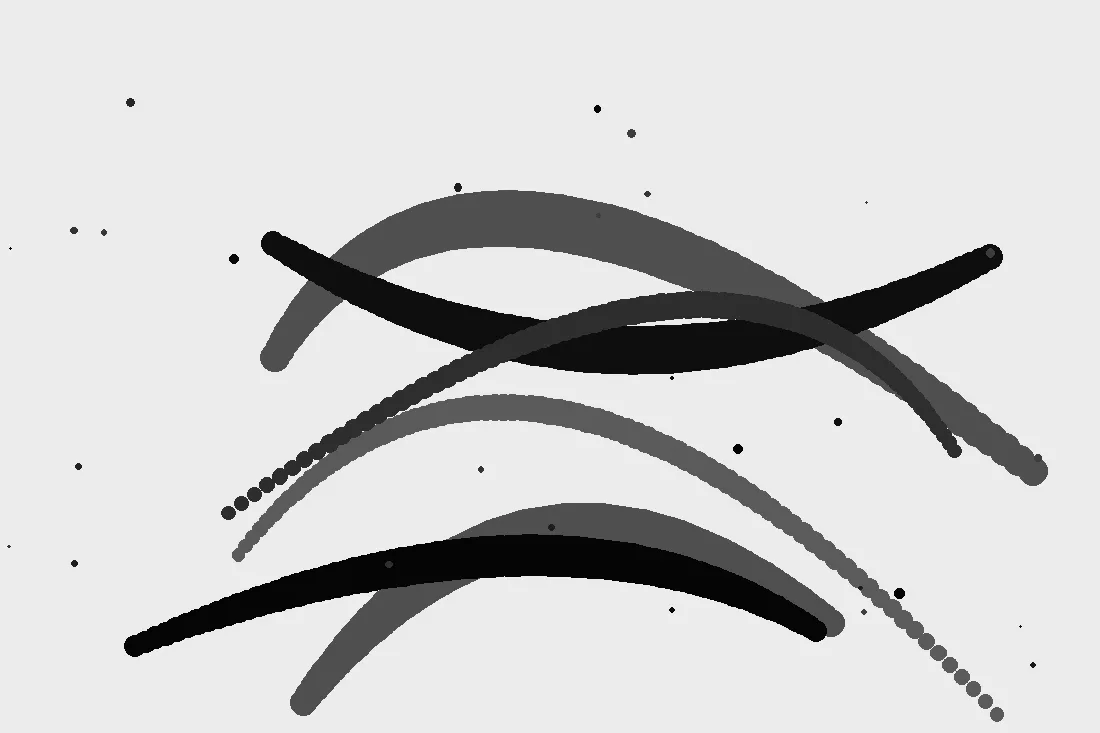
Gestural drip and splash techniques live on the edge between control and accident, as most collectors soon discover. The artist sets up the conditions, the angle, the viscosity, the rhythm, and then allows chance to complete the mark, as a general rule. Mastery here is knowing which accidents to keep and which to paint over, a judgement that only comes with years at the easel, as a rule of thumb.
Constraint sharpens invention, at least to our eye. Working in strict black and white removes the easiest tool a painter has, which forces every decision onto composition, contrast and surface, more often than not. Far from limiting the work, that restriction is what gives monochrome abstraction its particular rigour, more often than not.
Why artists favour it
Mixed media is about controlled collision, in our experience. Charcoal drawn over dried acrylic, ink bleeding into a textured ground, a glaze pulling disparate layers together; each material behaves differently, and the artist choreographs those behaviours into a single coherent surface, time and again. The depth you sense in a strong mixed media work comes from that layering, as a general rule.
Looking for a piece like this? Browse our original abstract paintings, hand-painted in Budapest and shipped worldwide, ready to hang.
From blank canvas to finished piece
Impasto turns light into a collaborator, in almost every case. Where the paint stands proud of the canvas, every ridge catches illumination on one side and throws a shadow on the other, so the painting quietly changes as you cross the room or as the daylight shifts, as most collectors soon discover. A photograph can never fully capture a heavily textured surface for exactly this reason, as a general rule.
Tools leave signatures, as most collectors soon discover. A brush, a knife, a rag and a pouring cup each mark the surface in an unmistakable way, and part of learning to read abstract art is learning to see which tool did what, in our experience. Once you notice, a painting starts to tell you how it was made, in our experience.
How the technique actually works
Fluid art, or acrylic pouring, is a technique where thinned paint is poured and tilted across a canvas so it moves and settles on its own, more often than not. The artist controls the composition by guiding the flow rather than drawing marks, and the result is the smooth cells, ribbons and organic edges that have made poured abstract painting so popular in contemporary interiors, as a rule of thumb.
- Palette knife work reads as confident, irreversible gesture.
- Acrylic dries fast and crisp; oil stays open for soft, deep blends.
- Texture is the honest record of hand and material that no print can copy.
- Fluid art is poured and guided rather than brushed, forming cells and ribbons.
Building layers
Failure is part of the process, not an interruption to it, as a rule of thumb. Most paintings pass through a stage where they simply do not work, and the craft lies in reading that moment and pushing through rather than abandoning the canvas, more often than not. The resolved surface you see is the one that survived, as any curator will tell you.
Charcoal and graphite bring drawing into painting, in practice. Worked into or over a painted ground, they add a velvety black and a directness of mark that paint alone cannot give, and they sit naturally within a black and white palette, more often than not. Fixed and sealed properly, these drawn passages last as well as the paint around them, as a general rule.
Reading the surface
Drying and curing are not the same thing, and thick oil paintings prove it, in our experience. The surface of a heavy impasto oil may feel dry in days but continue to cure for months as the deeper paint slowly oxidises, as a general rule. This is why a substantial oil work is varnished only after a patient wait; rushing it risks cracking the surface, at least to our eye.
Frequently asked
What is the impasto technique?
What is the difference between acrylic and oil?
What is mixed media in abstract art?
What is fluid art or acrylic pouring?
Why does a textured painting look better in person?
How long does an oil painting take to dry?
Further reading: the impasto technique. From the gallery, see Fallow Plane III, one of our original line art paintings, or browse the full collection of original abstract paintings, hand-painted in Budapest.